On this page you will find information on the current bean origins we have in stock and are roasting. We hope you enjoy learning about the origin of coffee you are purchasing and will be drinking. Some find it fascinating to learn where coffee is grown and learn about the farmers, their growing methods, and the way that the beans are processed prior to being dried for shipment to roasters.
We strive to keep a good variety of high quality greens in stock and are always looking for different offerings that we have not tried before.
Ethiopia Organic Sidama Ayla Bombe G1 Natural 2026 ($18/lb.)
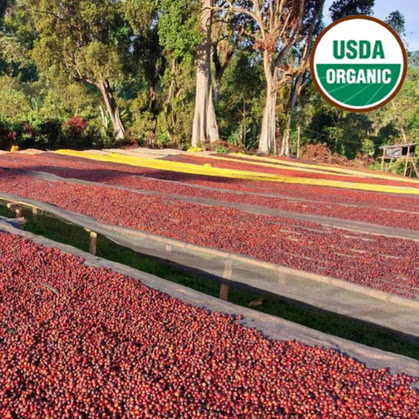
Ayla Bombe Natural Organic
- Flavor: Tropical Fruit, Blackberry, Plum, Honey, Grapefruit, Rose
- Body: Medium
- Acidity: Medium
- Process: Natural
- Cup Score: 87
- Cupping Date: June ’26
Produced in the celebrated coffee-growing highlands of Bensa, Sidama, Ayla Bombe Natural is an exceptional Ethiopian coffee sourced from approximately 600 smallholder farmers surrounding the village of Bombe. Grown at elevations ranging from 1,950 to 2,150 meters above sea level, the coffee benefits from cool mountain temperatures, abundant rainfall, and rich soils that allow cherries to mature slowly and develop remarkable sweetness and complexity. The lot is processed at the Ayla Washing Station, near the Bonora River and the slopes of Durto Gerbamo Mountain, one of the region’s most renowned coffee-producing areas.
This coffee is produced from the Ethiopian variety 74158 and follows an innovative Improved Natural process designed to enhance fruit intensity and sweetness. After harvest, cherries are carefully sorted and immersed in water to remove lower-density floaters. The remaining cherries undergo a unique 12-hour soaking period, a technique that encourages sugar development within the fruit before drying begins. This additional step helps create greater sweetness and contributes to the coffee’s distinctive honey-like character.
The cherries are then dried on raised beds in thin layers, allowing airflow to circulate evenly throughout the drying process. By placing the beds in areas with strong airflow and reduced direct sunlight, the producers achieve a slow, controlled drying period that lasts approximately 28 days, preserving complexity and clarity in the cup.
The result is a vibrant and expressive natural coffee showcasing the floral elegance and fruit-forward character for which Sidama coffees are known. The combination of high elevation, meticulous processing, and the unique terroir of Bombe creates a coffee that is both lively and refined.
Ayla Bombe exemplifies the innovation and craftsmanship emerging from Ethiopia’s most respected coffee regions—an organic natural coffee that balances colorful fruit notes with remarkable sweetness and complexity, delivering a memorable expression of Sidama’s celebrated coffee heritage.
Ethiopian Coffee History
Ethiopia is widely regarded as the birthplace of coffee. The legend of Kaldi, a goat herder who discovered coffee’s energizing effects, is central to its origin story. Ethiopian coffee culture is deeply rooted in tradition, with ceremonies that celebrate its social and spiritual significance. The country’s diverse microclimates and heirloom varieties contribute to its reputation for producing some of the world’s most distinctive and high-quality coffees.
Peru Wilder Garcia Geisha Washed 2026 ($22/lb.)
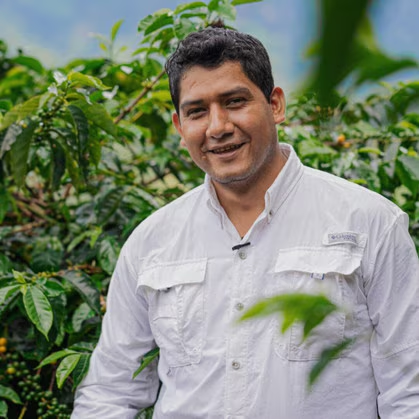
Wilder Garcia – Peru Microlot Washed Geisha Green Coffee Beans
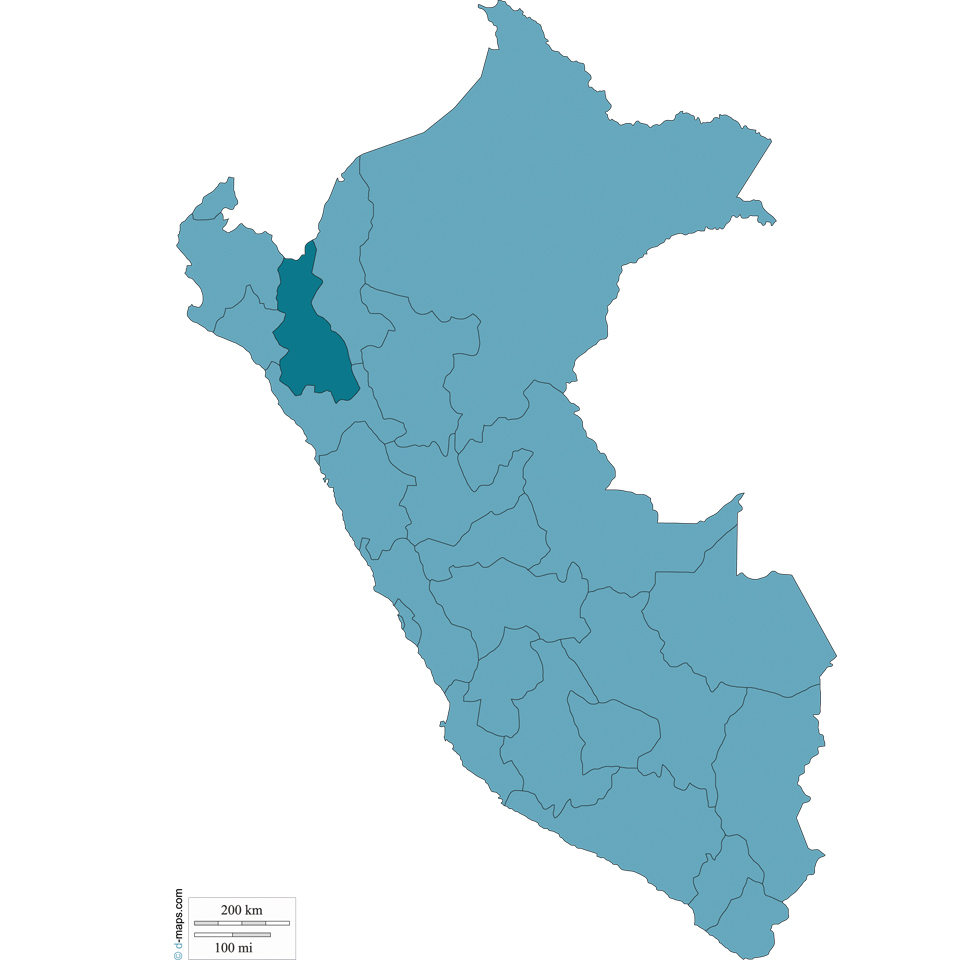
At 1800 masl in the lush highlands of northern Peru, Wilder Garcia maintains a hands on relationship with the health and productivity of his coffee trees. His 23 hectare farm benefits from an ideal climate for cultivating high quality Arabica, with 16 hectares dedicated to coffee production.
Six years ago, Wilder introduced a Tissue Management System (TMS) to bring long term balance and productivity to his farm. This system operates on a two year cycle applied in blocks, adapting the approach to the natural structure of each variety. His farm grows Caturra, Bourbon, Typica, Java and now, an exceptional lot of washed Geisha. In 2020, Wilder also renovated four hectares with new seedlings, strengthening the farm’s future potential.
After harvest, cherries are typically depulped the same day and undergo a 48 hour hermetic fermentation before moving to solar dryers. Wilder’s careful processing yields around 720 quintals of parchment coffee annually (1 quintal = 46 kg of green coffee).
About the Geisha Variety
Gesha – often spelled “Geisha” – originated in the forests of Ethiopia and was first documented in the 1930s. It later made its way to Central and South America, gaining worldwide recognition in Panama, where its extraordinary cup quality set new auction records and reshaped the specialty coffee landscape.
Geisha is known for its elegant, tea like character and luminous aromatics. Typical flavor notes include jasmine, bergamot, stone fruit, florals, citrus zest, and a delicate sweetness. When grown at high elevation and carefully processed – as in Wilder Garcia’s washed Geisha – the variety often delivers exceptional clarity, vibrancy, and a layered, expressive cup.
What Does Coffee from Peru Taste Like?
Peruvian coffee thrives in the soaring altitudes of the Andes, where slow cherry maturation produces sweetness, complexity, and balance. Peru’s coffees are often medium bodied and approachable, featuring notes of chocolate, nuts, gentle fruit tones, and mild acidity. These conditions create an ideal backdrop for standout microlots like Wilder’s washed Geisha.
Peru Green Coffee Beans
As the world’s 5th largest producer of Arabica, Peru continues to gain momentum in the specialty market. Its high elevations, clean mountain air, and fertile soils create exceptional growing conditions, while its diversity of regions and varieties keeps each harvest exciting. Though neighboring Brazil dominates in scale and pricing, Peru distinguishes itself through quality, micro regional character, and unique cup profiles.
This coffee has a Specialty Coffee Association score of 86.5.
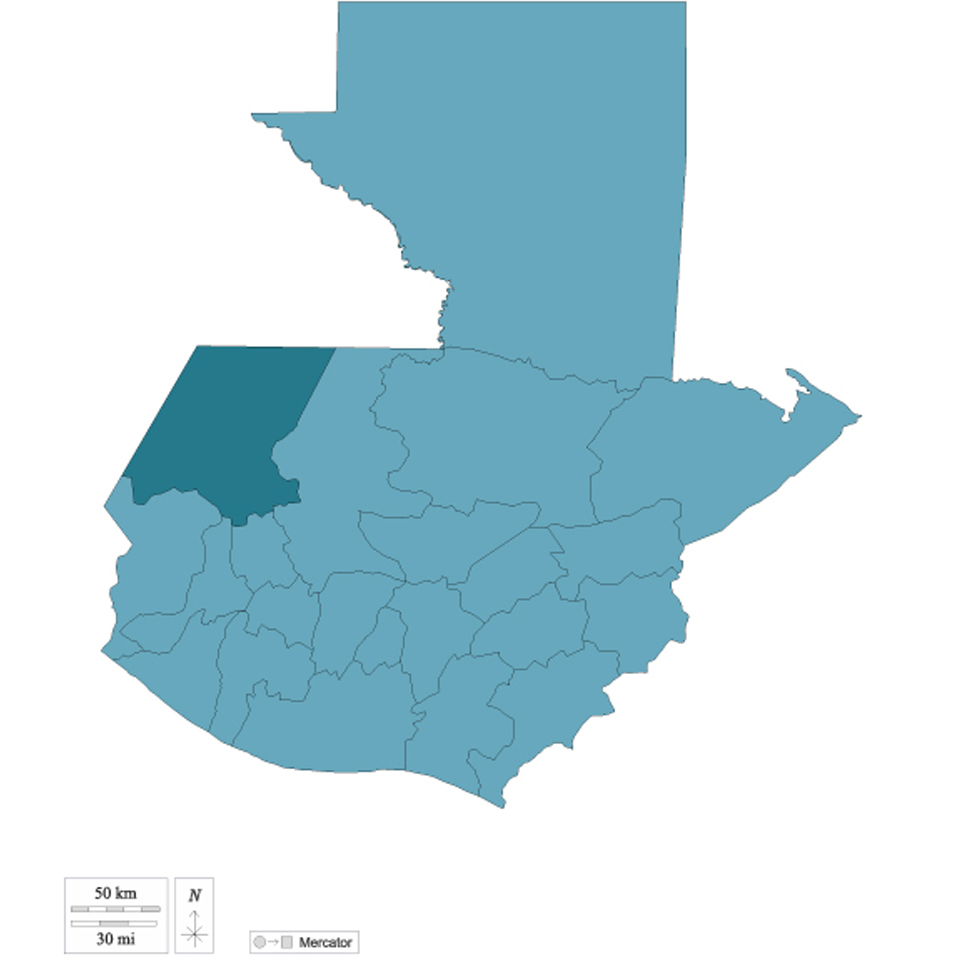
Guatemala La Morena Huehuetenango SHB EP 2026 ($15/lb.)
- Flavor: Dark Chocolate, Caramel, Blackberry, Vanilla
- Body: Medium
- Acidity: Medium
- Process: Washed
- Cup Score: 85.5
- Cupping Date: Mar ’26
This coffee is one of my favorite “standards” as I always try and keep either this or the Mexican Chiapas on hand because so many customers want a more affordable coffee. The Huehuetenango and Chiapas mountain ranges are the same only separated by the country’s border.
About Huehuetenango Coffee
Huehuetenango coffee is grown at heights up to 6,500 feet (2,000masl) in dry and frost-free conditions. By necessity, farmers in this highly remote area often set up their own mills along the many rivers to process their coffee.
- Temperature: 68-70F
- Rainfall: 48-56in
- Humidity: 70-80%
- Altitude: 5,000-6,500ft
- In the cup: intense acidity, full body, winey notes
Guatemala Coffee Grading (SHB)
SHB (Strictly Hard Bean)
SHB represents the highest altitude classification for Guatemalan coffee, and you’ll see this grade on most premium specialty coffees from the country.
- Definition: To earn the SHB label, the coffee must be grown at an altitude of 1,350 meters (4,400 feet) or higher.
- Altitude Requirements: These are the highest elevations used for commercial coffee production in the country.
- Flavor Characteristics: Because the air is thinner and cooler at these heights, the beans grow slowly and become incredibly dense. This density translates to high acidity, complex aromatic oils, and a “clean” finish. You’ll often taste bright fruit notes like green apple or berries alongside a rich chocolate base.
- Why It Is Premium: Higher altitude means lower yields and harder harvesting conditions, but the flavor complexity is unparalleled.
- Recommended Brewing Methods: SHB beans shine in Pour-overs (V60, Chemex) and AeroPress, where the clarity of the roast can be fully appreciated.
EP (European Preparation)
EP is not an altitude classification—it’s a quality designation that can apply to any grade, including SHB or HB. You will often see “SHB EP” on a bag. While SHB refers to the growth, EP refers to the sorting.
- Meaning of EP: “European Preparation” signifies that the raw green coffee beans have been sorted to a very high standard.
- The Sorting Process: Specifically, it means the beans have been hand-sorted (or mechanically sorted with high precision) to ensure that no more than 8 defects are found per 300 grams of coffee.
- Quality Impact: EP doesn’t change the flavor profile inherent to the bean’s altitude, but it ensures a “clean” cup. Fewer defects mean fewer “off-tastes” like sourness or bitterness caused by moldy or damaged beans.
Nepal Syangja Natural Process USDA Organic 2025 $20/lb
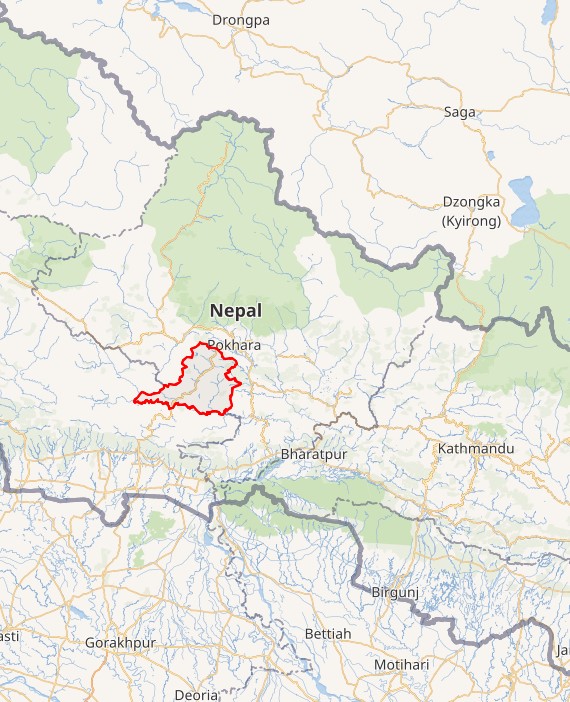
These beans are grown in the foothills of the Himalayan Mountains at an elevation of 4600 feet. They have been processed using the natural process. Natural coffee processing is also called dry processing. It is an age-old method that is still used today, where ripe coffee cherries are picked from the trees and spread out to dry under the sun. It is said to originate from Ethiopia, where coffee cultivation began.
You might be wondering, how does the natural process impacts the flavor of your brew?
Well, this method enhances the sweetness and fruity notes in your coffee. It allows the cherry’s natural sugars to seep into the coffee beans while drying, resulting in a more vibrant cup with luscious berry or tropical fruit flavors.
These beans have an Specialty Coffee Association score of 86.
Mexico Chiapas Organic Swiss Water Decaf USDA Organic HG EP 2026 ($17/lb.)

Mexico Decaf Organic Coffee Beans
- Flavor: Chocolate, Nutty, Red Apple, Lemon
- Body: Light
- Acidity: Mild
- Process: Swiss Water Process
- Cup Score: 83
- Cupping Date: Jan ’26
When someone switches to decaf, it’s clear that there’s an attachment to the flavor of coffee that they can never give up. Now, it’s easier than ever to enjoy delicious caffeine-free coffee that retains all the characteristics of beloved origin terroirs. Thanks to constantly improving decaf processing methods, there’s no need to sacrifice quality or flavor.
This fully washed Mexican coffee from Chiapas proves just that. Even when decaffeinated, it delivers notes of cocoa powder, granola, molasses, and nuttiness, all with a mild acidity. Bourbon, Typica, and Caturra are among the world’s most widely grown varieties, all descended from the original Ethiopian coffee seeds brought out of Africa in the 17th century. This coffee was grown organically—free of chemicals from cultivation through the decaffeination process.
What is Swiss Water Process Decaf?
The Swiss Water Process, developed in Switzerland, is a natural, chemical-free way to decaffeinate coffee while preserving its original flavors. It begins by soaking green coffee beans in pure water to create a proprietary Green Coffee Extract (GCE), which holds all the coffee’s soluble compounds.
The GCE is then passed through activated carbon filters to remove caffeine, leaving behind a flavorful, caffeine-free solution. When new batches of green beans are added and soaked for 8–10 hours, caffeine naturally migrates out of the beans without stripping away taste. The extract is continually refreshed through carbon filtration to maintain full flavor integrity.
Thanks to this meticulous process, Swiss Water decaf removes 99.9% of caffeine while preserving bright acidity, rich flavors, and complexity. It’s decaf that actually tastes like coffee—a great option for those cutting back on caffeine without sacrificing cup quality.

Tanzania Peaberry Plus Washed 2026 ($17/lb.)

Tanzania PB Plus
- Flavor: Bittersweet Chocolate Brown Sugar, Raisin, Black Tea, Lime
- Body: Light
- Acidity: Mild
- Process: Washed
- Cup Score: 84
- Cupping Date: Jan ’26
Tanzania PB Plus is sourced from both the Northern and Southern coffee-growing regions of the country, where altitudes range from 1350–1850 masl in the North and 1200–1700 masl in the South. These regions produce coffee on fertile soils with reliable rainfall and cool temperatures that support slow cherry development and high cup quality.
Most coffee comes from smallholder farmers, typically with an average of 1 – 2 hectares, as well as private estates. Smallholders deliver their cherries through AMCOS groups or process them at home using hand pulpers. Tanzania’s network of AMCOS plays an essential role in organizing farmers, providing centralized processing, and connecting parchment to mills before it enters the auction or direct market.
Peaberry Coffee from Tanzania
Peaberry (PB) coffee forms when a single round seed develops inside the cherry instead of the usual two. These beans are denser and more spherical, appearing in only a small percentage of the harvest. Tanzania’s PB grade is highly regarded, and this lot combines peaberries from both Northern and Southern suppliers.
Washed Coffee Processing at CPUs & Homes
For AMCOS groups, cherries are delivered the same day to a Coffee Processing Unit (CPU), where they are inspected, sorted, and pulped immediately. The pulped coffee is fermented in tanks for up to 72 hours, depending on temperature and condition. After fermentation, the coffee is washed with clean water and dried on raised beds for up to 14 days.
For home processing, farmers use hand pulpers to depulp cherries on the farm. The coffee then ferments for up to 72 hours, is washed, and dried on raised beds for 10-14 days before being delivered to AMCOS collection centers. All parchment is ultimately transported to a dry mill for storage, grading, and preparation for export.
How Is Tanzania Green Coffee Graded?
Tanzania uses a grading system similar to its East African neighbors, based primarily on bean size and density. Grades include AA (screen 17/18), AB (15/16), C (14/15), and PB for peaberry. PB stands apart as a unique classification representing round, single-seed beans sorted out from the rest of the crop.
Tanzanian Coffee Growing Regions
The Northern regions – including areas near Mount Kilimanjaro – benefit from high-altitude volcanic soils and cool climates that contribute to excellent cup quality. In the South, regions such as Mbeya offer strong forest cover, good rainfall from November to May, and favorable temperatures that support healthy coffee production. Together, these zones produce some of the country’s most balanced and flavorful washed coffees.
Tanzanian Green Coffee Bean Production
Tanzania has all of the potential in the world. It is one of the largest countries in Africa by area, and its annual Arabica production rivals its better-known neighbor, Kenya. The United States Department of Agriculture (USDA) predicts that Tanzania’s green coffee production will grow at one of the world’s fastest rates, but hurdles such as supply chain complexity could slow things down.